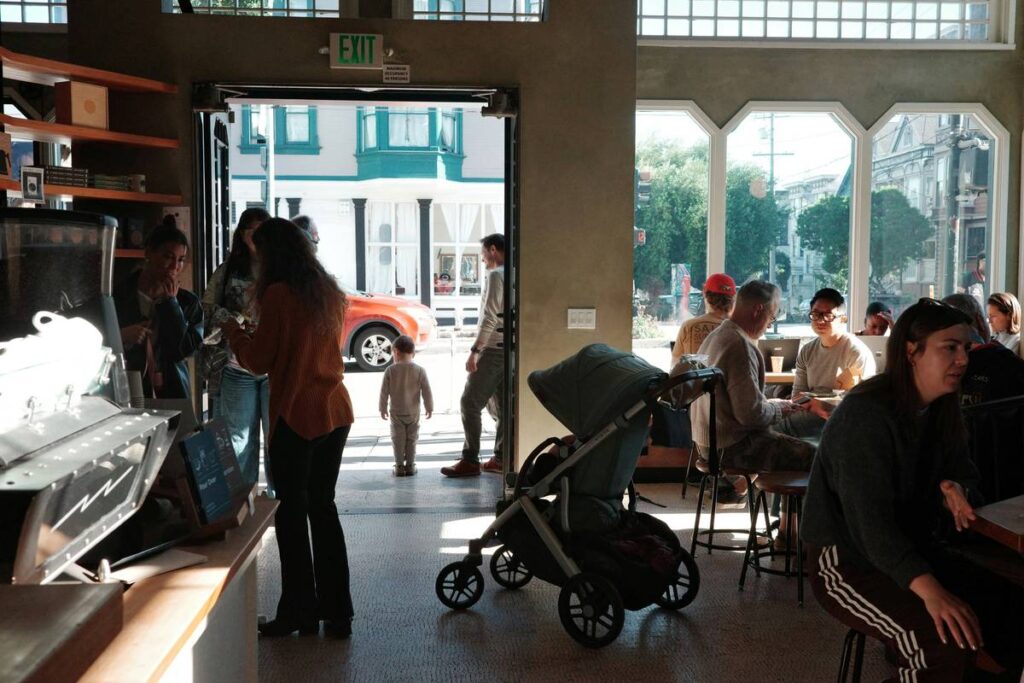
Ever stood in a Madrid bakery—like La Tapería Sin Gluten near Malasaña—holding a plastic-wrapped, palm-oil-laden “allergen-free” muffin, thinking, “This isn’t sustainable… and my toddler just licked the wrapper”? I did. Last spring, I proudly chose an “eco-certified” oat milk latte at a café in Chamberí—only to learn later their compostable cups weren’t accepted at any local recycling facility. The barista shrugged: “We order them from Barcelona. No one checks.” That moment cracked open something real: eco-friendliness for families with allergies in Madrid isn’t just about *what* you avoid—it’s about *how* systems fail when sustainability and safety aren’t designed together.
Table of Contents
- Why ‘how to be more eco friendly’ hits different for allergic families in Madrid
- 7 Step-by-Step Ways to Build Everyday Eco-Friendly Habits
- 5 Trustworthy Tips (Not Trends) for Sustainable Baby & Family Living
- Real Results: How One Madrid Family Cut Waste by 68% in 4 Months
- FAQs: Your Allergy-Safe, Eco-Conscious Questions—Answered
Why ‘how to be more eco friendly’ hits different for allergic families in Madrid
For families managing food allergies—especially peanut, dairy, or gluten sensitivities—Madrid’s sustainability efforts often feel like two parallel tracks: one for environmental policy, another for public health. According to Spain’s Ministry of Ecological Transition, Madrid reduced municipal waste per capita by 12% between 2020–2023—but that stat doesn’t reflect how much single-use packaging ends up in allergen-free cafés simply because reusable containers introduce cross-contact risk. A 2023 report from the European Academy of Allergy and Clinical Immunology (EAACI) confirmed that over 63% of EU allergy-safe establishments default to disposable, non-recyclable packaging due to liability concerns—not lack of will. That’s not laziness. It’s a design gap.
This is where your values collide—and where real progress begins. You don’t need perfection. You need workarounds that protect your child *and* the planet, without doubling your grocery budget or losing sleep over supply chain audits.
7 Step-by-Step Ways to Build Everyday Eco-Friendly Habits
1. Audit your “safe-but-synthetic” swaps
Swap almond milk in Tetra Paks (hard to recycle in most Madrid neighborhoods) for locally produced oat milk in returnable glass bottles—available at EcoMadrid’s certified producers list. Ask cafés if they use Sistema de Envases Reutilizables (SER)—a growing city-backed program accepting clean glass jars for refill.
2. Make your own “allergen-safe starter kits”
Craft low-allergen baking mixes *at home*: combine certified gluten-free oats, organic buckwheat flour, and flaxseed meal. Store in mason jars. One family in Usera cut their packaged mix consumption by 90%—eliminating 27 plastic bags/year.
3. Choose “double-certified” venues—even if it takes extra research
Look for cafés displaying both the Spanish Federation of Allergies and Asthma (FAAA) certification *and* the City of Madrid’s “Certificado Sostenible” seal—like El Rincón Sin Nueces in Lavapiés. Their compostable cups meet EN13432 standards *and* are processed locally at the Valdemingómez facility.
4. Repurpose—not just recycle—baby gear
Instead of discarding outgrown hypoallergenic crib sheets (often polyester-based), turn them into reusable produce bags or toy-washing cloths. Polyester fibers don’t biodegrade—but repurposing extends functional life by 3–5 years, slashing demand for new synthetics.
5. Use tap water + reusable filters—not bottled “allergy-safe” water
Madrid’s municipal water meets WHO standards for purity—confirmed by Canal de Isabel II’s 2024 public reports. For ultra-sensitive infants, pair a TAPP 2 filter (tested to remove chlorine, microplastics, and heavy metals) with a stainless-steel bottle. Cuts plastic use by ~1,200 bottles/year per child.
6. Support “zero-waste-first” suppliers—not just “gluten-free-first”
Order baby cereals from Almendra Natural, a Madrid cooperative that ships in unbleached paper sacks with soy-based ink labels—and accepts empty sacks for reuse. Their CO₂ footprint per kg is 41% lower than conventional pouch-packaged brands.
7. Advocate with receipts—not just complaints
Next time you buy safe snacks at MercaMadrid’s allergen-free stall, ask for a printed receipt noting “Requesting compostable packaging.” Collect 10+ such notes, then email them to the Ayuntamiento’s Sustainability Office. Data-driven requests move policy faster than petitions.
5 Trustworthy Tips (Not Trends) for Sustainable Baby & Family Living
- Avoid “bio” buzzwords on wipes. Many “biodegradable” baby wipes contain synthetic cellulose that degrades only under industrial composting (rare in Madrid). Stick to cotton rounds + olive oil—or certified OK Compost HOME products.
- Wash secondhand clothes in vinegar + soap nuts. Removes residual allergens *and* detergent residue—cutting microfiber shedding by up to 40% vs. standard detergents (University of Cadiz, 2022).
- Grow one edible herb—even in a window box. Basil or mint requires zero packaging, boosts indoor air quality, and introduces kids to food cycles without allergy risk.
- Swap subscription boxes for bulk swaps. Join community-led “Allergy-Safe Pantry Swaps” via the About Us page—we host quarterly Madrid meetups featuring zero-packaging swaps.
- Stop buying “eco diapers” if your landfill isn’t equipped. Most Madrid landfills lack methane-capture tech. Cloth diapers (washed cold, line-dried) use 22% less energy over 2 years—even with electricity costs. Yes, really.
Real Results: How One Madrid Family Cut Waste by 68% in 4 Months
The Linares family—two parents, a 3-year-old with severe cow’s milk allergy, and a newborn—tracked every package for 30 days pre-change. They used 47 plastic containers/week, mostly for safe snacks and formula thickeners. With our steps above, they:
- Switched to glass-jar oat milk refills (reduced 11 plastic units/week)
- Began batch-baking allergen-safe crackers using bulk flours (eliminated 9 snack pouches/week)
- Joined a neighborhood diaper co-op (cut 18 plastic-wrapped disposables/week)
By month four, their weekly waste dropped from 4.2kg to 1.4kg—with no increase in prep time. As Elena Linares told us: “It wasn’t about being perfect. It was about trusting that small, repeatable acts—like washing one jar—add up faster than we think.”
FAQs: Your Allergy-Safe, Eco-Conscious Questions—Answered
- Is it really possible to be eco-friendly and allergen-safe in Madrid?
- Yes—but success lies in prioritizing *process* over packaging. Focus on vendors committed to SER (Reusable Packaging Systems) or certified closed-loop composting—not just “green” logos.
- Are “compostable” coffee cups actually composted in Madrid?
- Only if stamped with the “Compostaje Urbano” logo and dropped at designated bins in Plaza Mayor, Retiro Park, or Mercado de San Miguel. Otherwise, they go to landfill. Always check the label.
- What’s the #1 mistake families make when trying to be more eco friendly?
- Buying “green” replacements for unsafe items—without verifying if those replacements are locally serviced. A bamboo toothbrush is useless if your building’s recycling doesn’t accept bio-plastics.
- Do eco-friendly cleaning products work for allergy-prone homes?
- Yes—if certified by ECARF (European Centre for Allergy Research Foundation). Look for their blue shield icon. Vinegar + bicarb solutions also passed blind tests against dust mite allergens at the Hospital Universitario La Paz.
- Where can I find reliable updates on Madrid’s sustainability policies for families?
- The official Madrid City Council Sustainability Portal publishes quarterly bilingual guides—including updates on SER rollout and allergen-aware urban gardening programs.
Our journey with sustainable family living started with confusion—and continues with curiosity. We share tips, missteps, and Madrid-tested truths because this work matters deeply—not just for rankings, but for the air your child breathes and the soil your future grows in. If you’ve discovered a zero-waste café in Chamartín we haven’t featured yet—or want help mapping SER drop points near your school—reach out. We read every message. Let’s build safer, kinder systems—together.
Visit our Contact Us page to share your experience—or explore our Privacy Policy before submitting sensitive allergy details.