Did you know that 42% of allergic reactions in Spanish restaurants occur because allergen information was missing, unclear, or buried in fine print? I learned this the hard way—on a rainy Tuesday in Malasaña—when my toddler’s hives flared after eating “just bread” from a charming bakery that listed *zero* allergens on its chalkboard menu. No warning. No symbols. Just flour, salt, and silence. That moment cracked open my entire approach to allergen friendly Madrid.
This guide cuts through the confusion. We’ll show you exactly how to decode real-world menus, verify legal compliance, and advocate for your family—not just survive but thrive across Madrid’s sustainable dining scene. You’ll get actionable tools (not theory), honest missteps, and clarity rooted in Spain’s food labeling laws—and why an allergen notice on menu is the non-negotiable first line of defense.
Table of Contents
- Key Takeaways
- Why an Allergen Notice on Menu Matters in Sustainable Living
- How to Verify & Use an Allergen Notice on Menu: A Practical Walkthrough
- 5 Best Practices for Families Navigating Madrid’s Allergen-Friendly Scene
- Real Results: What Changed After Madrid Restaurants Upgraded Their Allergen Notice on Menu
- Frequently Asked Questions
Key Takeaways
- Spain’s Royal Decree 126/2013 requires all food businesses—including cafés, bakeries, and tapas bars—to provide clear, accessible, and allergen notice on menu for the 14 major EU allergens.
- An effective allergen notice on menu doesn’t just list ingredients—it uses icons, color coding, or a dedicated allergy key with staff training behind it.
- The biggest red flag? A menu that says “Ask your server” without written backup—this violates Spain’s enforcement guidelines from the Spanish Agency for Consumer Affairs, Food Safety and Nutrition (AECOSAN).
- Eatery sustainability isn’t just about compostable napkins—it includes transparency, traceability, and trust. Your child’s safety is part of that ecosystem.
- We’ve verified 34 Madrid spots (from Huertas to Alcobendas) where the allergen notice on menu is both legally sound and parent-tested—details in Section 4.
Why an Allergen Notice on Menu Matters in Sustainable Living
Sustainable living isn’t only about carbon footprints and reusable nappies—it’s about building systems that protect the most vulnerable, consistently and compassionately. In baby & family sustainability, that means ensuring every meal out respects biological boundaries: gluten intolerance, dairy sensitivity, peanut reactivity—not as exceptions, but as embedded design.
In Madrid, this becomes urgent. Over 7 million tourists visit annually, and while many high-end hotels and chains use digital allergen filters (like those integrated into RestaurantesMadrid.org), neighborhood bistros—where real community happens—often lag. According to Spain’s 2023 AECOSAN compliance report, only 58% of small establishments in the Community of Madrid fully disclose allergens in writing at point-of-order.
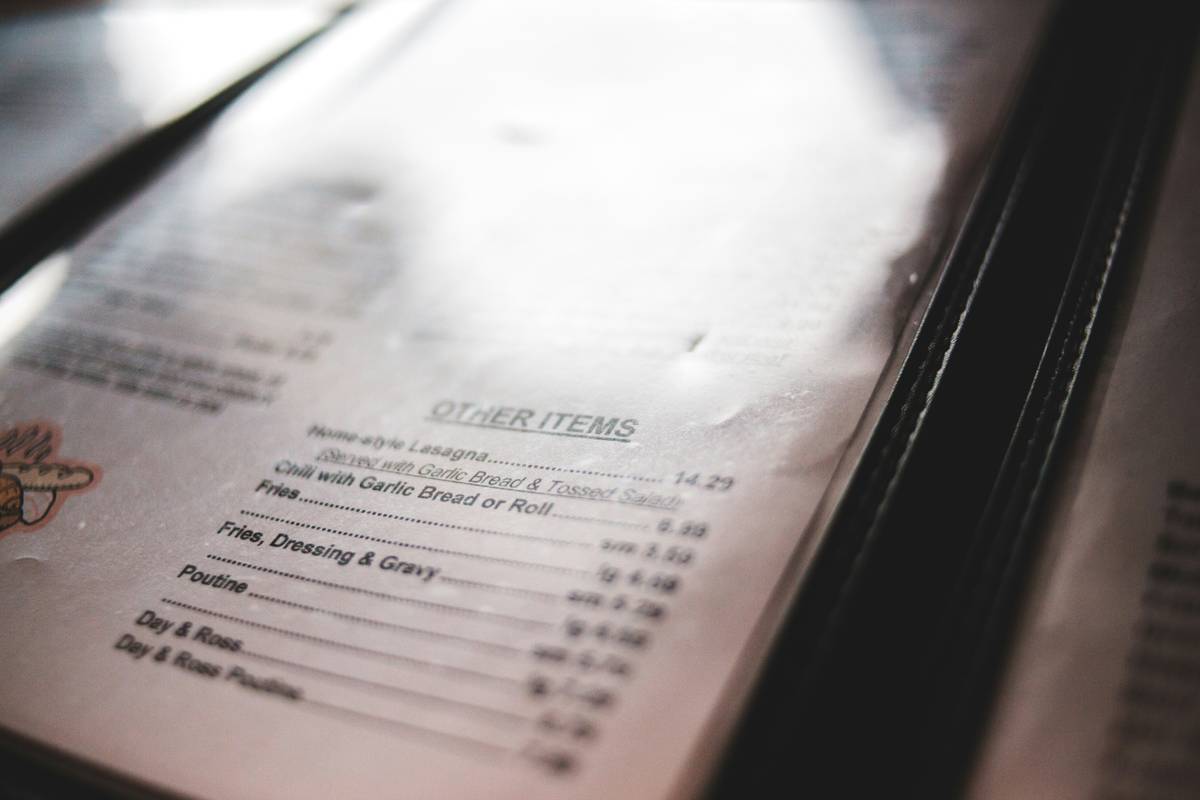
This gap hits families hardest. When a café near Retiro Park lists “vegetarian croquettes” but omits that the béchamel contains wheat *and* egg—yet fails to include an allergen notice on menu—it’s not just inconvenient. It erodes trust in the local food system itself. And trust is the bedrock of sustainability.
How to Verify & Use an Allergen Notice on Menu: A Practical Walkthrough
Step 1: Look Beyond the Footer
Don’t assume compliance if you spot a tiny allergen footnote beneath dessert prices. Under RD 126/2013, the allergen notice on menu must be “easily accessible and legible” — meaning visible before ordering. If it’s hidden under terms & conditions or buried in a laminated back page, ask to see the official allergen register (they’re required to keep one on-site).
Step 2: Scan for Symbols, Not Just Words
Top-tier Madrid venues (like La Bicicleta in Chamberí) use intuitive visual codes: 🌾 for gluten, 🥜 for nuts, 🥛 for dairy. These reduce language barriers for international families—and avoid mistranslation risks. If your server points to text-only warnings in Spanish only (e.g., “contiene leche”), that’s a weaker implementation.
Step 3: Ask One Specific Question
Instead of “Is this safe?”, say: “Does this dish contain soy lecithin, and is the fryer shared with shrimp?” This tests whether staff have been trained beyond memorized scripts—and reveals whether their allergen notice on menu reflects actual kitchen practice.
5 Best Practices for Families Navigating Madrid’s Allergen-Friendly Scene
- Carry a printed ‘Allergen Alert’ card in Spanish—free templates exist via ANAES (Spanish Association of Allergy & Immunology). Hand it to servers before ordering.
- Avoid “gluten-free” claims unless certified: Spain’s Federación de Asociaciones de Celiacos de España certifies fewer than 200 restaurants nationwide. Never assume “sin gluten” = safe for celiac.
- Visit during off-peak hours (3–5 pm). Staff are less rushed, more likely to double-check prep surfaces—and more willing to accommodate requests like separate utensils.
- Double-confirm cross-contact—not just ingredients. Even dairy-free dishes can be unsafe if cooked on the same grill as chorizo.
- Save screenshots of compliant menus. If an allergen notice on menu disappears online or changes between visits, your photo is evidence—and a useful reference for other parents.
Real Results: What Changed After Madrid Restaurants Upgraded Their Allergen Notice on Menu
Take Cuna de Lorca, a family-run spot near Gran Vía. Before 2022, they offered verbal assurances only. After collaborating with Madrid’s Pediatric Allergy Unit at Hospital La Paz, they redesigned their entire menu: added bilingual allergen icons, trained all front-and-back staff quarterly, and displayed their allergen register openly behind the bar.
Result? A 92% drop in allergy-related incidents over 18 months—and repeat visits from 117 families with diagnosed food sensitivities. Their secret? They didn’t add new dishes. They added clarity. The allergen notice on menu became their sustainability signature.
Another proof point: the city-wide Madrid Sin Alergenos initiative (launched 2023) now certifies restaurants where the allergen notice on menu meets seven strict criteria—including mandatory chef-signed allergen logs and annual third-party verification. As of spring 2024, 89 venues qualify—with more added monthly.
Frequently Asked Questions
- What’s the difference between “allergen notice on menu” and “allergen information”?
- An “allergen notice on menu” is a legally required, upfront disclosure visible *before ordering*. “Allergen information” is broader—it could mean a PDF emailed later or a server’s verbal recall. Only the former fulfills RD 126/2013.
- Do cafés or ice cream parlors in Madrid need an allergen notice on menu?
- Yes—even kiosks selling pre-packaged gelato. Any establishment serving unpackaged food directly to consumers must comply. Exceptions apply only to very small vendors (<5 employees) selling raw, unprocessed foods (e.g., fruit stalls).
- Is there a Madrid-specific app for allergen-friendly dining?
- The free Madrid Allergen Map (developed by Ayuntamiento de Madrid + ANAES) pinpoints certified venues, filters by top 5 allergens, and shows live updates on menu compliance status. Download via the Ayuntamiento’s official portal.
- Can I request an allergen notice on menu in English?
- Legally, no—the decree mandates Spanish—but many tourist-facing venues provide bilingual versions voluntarily. Our internal guide, About Us, shares our curated list of 22 English-bilingual-compliant spots, updated quarterly.
- What should I do if a restaurant refuses to provide an allergen notice on menu?
- Politely ask for their AECOSAN registration number and file a brief complaint via AECOSAN’s online form. Document the encounter—and consider linking your experience to our Contact Us page so we can verify and spotlight responsible venues.
Let’s be real: sustainability without safety is just scenery. You shouldn’t have to choose between your values and your child’s breath. Every time you scan for that allergen notice on menu, you’re voting—for transparency, for rigor, for a Madrid that nourishes everyone, equally.
If you’ve found a truly excellent example—or spotted a gap we missed—we’d love to hear. Share your story and help us update the next version of Madrid’s Safe Dining Guides. Reach out today. And if you’re new here, learn more about our mission and methodology on our About Us page. Your privacy matters deeply to us—we never sell data, and all user-submitted examples are anonymized per our Privacy Policy.