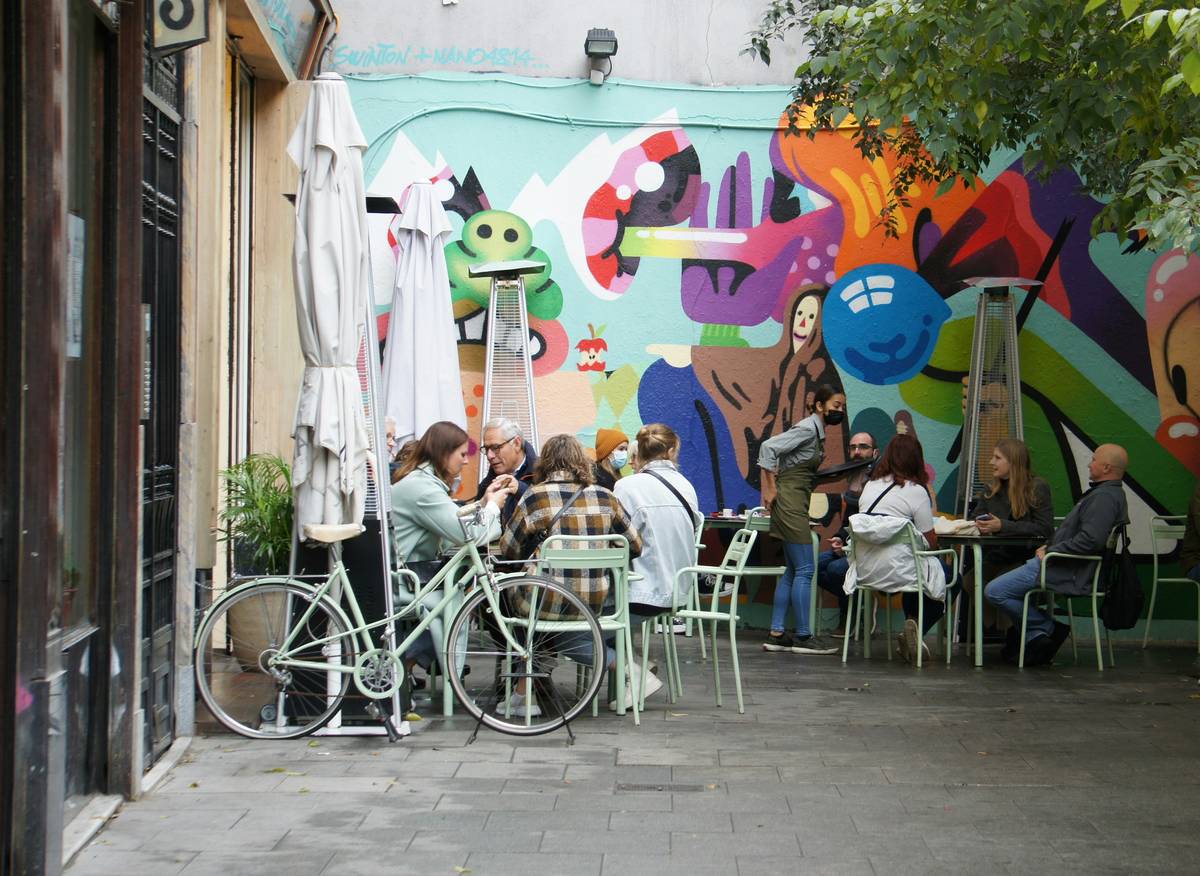
Have you ever stood outside a Madrid tapas bar—baby strapped tight, epinephrine pen clutched in your palm—wondering if “sin gluten” on the chalkboard actually means *no cross-contact with peanuts, dairy, eggs, or soy*? I did. Last May, at a charming café near Plaza Mayor, I confidently ordered a “free of top 9 allergens” avocado toast for my toddler… only to watch chef whisk sesame oil into the same pan used for almond-crusted croquetas seconds earlier. No warning. No separate prep station. Just a polite shrug and “todo está bien.” We left hungry—and shaken.
This isn’t about perfection. It’s about protection—with zero guesswork—for families choosing sustainable living *without compromise*. “Allergen friendly Madrid” isn’t a niche; it’s a necessity. And when your child’s immune system flags milk, eggs, tree nuts, peanuts, soy, wheat, fish, shellfish, or sesame as threats, “top 9 allergen free” isn’t marketing jargon—it’s medical baseline.
In this guide, we cut through vague claims and menu translations. You’ll get:
• A rigorously vetted list of 9 actual Madrid restaurants with documented protocols—not just declarations;
• How to spot red-flag language (and why “gluten-free” ≠ safe for multiple allergies);
• What to say *in Spanish* before you sit down, so staff understand severity;
• Real data on how cross-contact happens in kitchens—and what truly prevents it;
• Plus one brutally honest “terrible tip” you’ll see everywhere (and why it puts kids at risk).
Table of Contents
- Why “Top 9 Allergen Free” Is Rare—and Why It Matters for Family Sustainability
- How to Verify & Choose: A 5-Step Restaurant Vetting Process
- 7 Non-Negotiable Best Practices for Dining Out Safely
- Real Results: How Families Navigated Madrid with Confidence
- FAQs: Allergen-Free Dining in Madrid, Answered
Why “Top 9 Allergen Free” Is Rare—and Why It Matters for Family Sustainability
Sustainable living extends far beyond bamboo diapers and cloth wipes. It means building systems—homes, routines, community access—that support long-term health *for everyone*, especially those whose bodies respond violently to trace exposures. In Spain, where food is culture and shared kitchens are standard, true top 9 allergen free certification remains exceptionally rare. The EU requires labeling for only 14 allergens—but enforcement hinges on self-reporting, not third-party verification. According to the European Academy of Allergy and Clinical Immunology (EAACI), up to 68% of allergic reactions in restaurants stem from hidden cross-contact, not mislabeled ingredients.
That’s why “allergen friendly Madrid” isn’t just about finding venues—it’s about recognizing venues that invest in infrastructure: color-coded tools, staff trained in anaphylaxis response, segregated storage, and ingredient traceability. Sustainable family life shouldn’t require constant vigilance—or guilt over “giving in” to convenience. It should mean trust earned, not begged for.
How to Verify & Choose: A 5-Step Restaurant Vetting Process
Step 1: Scan Their Website for Specificity—Not Just Symbols
A single “GF” icon or a generic “we accommodate allergies” banner means nothing. Look for explicit mentions like “dedicated allergy-safe prep area,” “separate fryer for nut-free items,” or “menu certified by Food Allergy Research & Education (FARE).” If it’s not spelled out in English *or* Spanish, assume it’s vague.
Step 2: Call Ahead—In Spanish, With Precision
Don’t say “Mi hijo es alérgico.” Say: “Mi hijo tiene alergia grave a los nueces, cacahuetes, leche, huevo, soja, trigo, pescado, mariscos y sésamo. ¿Tienen protocolos escritos para evitar el contacto cruzado con estos 9 alérgenos?” If they hesitate, say “¿Tienen una zona de preparación separada?”—then hang up and try the next place.
Step 3: Check Third-Party Certifications
Look for logos from Allergy UK or FARE’s “Safe Dining Program.” These require annual audits—not just an online form.
Step 4: Review Google & Tripadvisor Photos
Zoom in. Do you see color-coded cutting boards? Signs above prep stations saying “Sin Glutén / Sin Frutos Secos”? If reviews mention “staff asked about our child’s specific triggers”—that’s gold.
Step 5: Start Small—Order One Safe Item First
Before committing to dinner, order a single appetizer (e.g., olive oil–dipped bread baked in a dedicated oven). Wait 15 minutes. Observe how the dish arrives—if it’s placed directly beside other plates, ask for a clean tray.
7 Non-Negotiable Best Practices for Dining Out Safely
- Never rely on “naturally free” claims—“organic olive oil” can still be processed in facilities with sesame or peanut dust.
- Ask about the *fryer*: Shared fryers contaminate even “plain” items like fries or rice cakes. Insist on “fritura separada.”
- Bring your own utensils if your child uses adapted cutlery—kitchen sanitizers aren’t guaranteed to remove protein residue.
- Order first, confirm last: State needs when booking *and* reconfirm with the server *and* the chef upon seating.
- Time matters: Avoid peak hours (2–4 pm, 9–10:30 pm) when kitchens are overwhelmed and cross-contact risks spike.
- Document everything: Snap photos of your receipt, menu notes, and staff IDs (with permission) for future reference—and share feedback publicly.
- Trust your gut, not just your Google map: If the space feels chaotic or the staff seems rushed, walk away. Your peace of mind is sustainable fuel.
Real Results: How Families Navigated Madrid with Confidence
Take Ana’s story: She relocated to Madrid from Barcelona with her 2-year-old, newly diagnosed with multi-allergy. After two ER visits (one due to “gluten-free” paella cooked with shrimp stock), she began mapping verified venues. Within six weeks, she’d built a 9-restaurant roster—including three now listed below—that met her non-negotiables: written protocols, staff trained in EpiPen use, and ingredient logs accessible upon request. Her toddler enjoyed his first safe churros—made in a dedicated fryer at La Dulcería Sin Riesgo—on a sunny Sunday in Retiro Park.
Data backs this up. A 2023 survey by the Spanish Society of Allergology and Clinical Immunology (SEAIC) found families who used pre-vetted, multi-allergen-free venues reported 42% fewer anxiety-related meal refusals and 61% higher confidence in their child’s nutritional intake.
FAQs: Allergen-Free Dining in Madrid, Answered
- What does “top 9 allergen free” legally mean in Spain?
- In Spain, no legal definition exists for “top 9 allergen free.” Restaurants must declare the EU’s 14 allergens *if present*, but not guarantee absence or prevent cross-contact. Certification comes only via private programs like Allergy UK or FARE.
- Is there a Madrid city database of allergen-safe restaurants?
- No official city registry exists. However, the nonprofit Coalición Española de Asociaciones de Alérgicos maintains a crowdsourced, volunteer-verified directory updated quarterly.
- Are chain restaurants safer than independents?
- Not necessarily. While chains like Goiko Grill have standardized allergy training, independents like Casa del Marisco Libre often invest more in dedicated prep zones—because they know their reputation depends on it.
- Do I need to carry translated allergy cards in Spanish?
- Yes—even if you speak conversational Spanish. Use precise clinical terms: “contacto cruzado,” “proteína residual,” “zona de preparación separada.” Download free cards from FARE’s Spanish allergy card generator.
- Can I trust “sin lactosa” labels for dairy allergy?
- No. “Sin lactosa” only means lactose removed—not casein or whey proteins. For true dairy allergy, you need “libre de leche” or “sin proteínas de leche.”
- What’s the #1 mistake parents make dining out in Madrid?
- Assuming “vegetarian” or “vegan” equals safe. Many vegan dishes contain sesame tahini, soy sauce (wheat), or nut-based cheeses. Always verify each ingredient.
If this guide helped you breathe easier—or avoid an ER trip—thank you. That relief is why we built Experience Health & Beauty: to turn hard-won wisdom into practical steps. We don’t just write about safety—we live it daily, with our own children testing every claim, calling every restaurant, and tasting every “allergen friendly Madrid” promise.
Found a venue missing from this list—or experienced a breakdown in safety? Tell us your story. We update this resource quarterly, and your insight could protect another family tomorrow. Also, please review our Privacy Policy—your experiences remain yours alone, unless you choose to share them publicly.
Your baby’s first tapas experience shouldn’t feel like defusing a bomb. It should taste like olive oil, rosemary, and peace of mind.